Most homeowners do not plan to spend time on installing a wood fence until there is a reason. A gate no longer lines up. A dog finds a weak spot. Sometimes the space feels too exposed in a way it did not before.
At that point, wood fence installation stops being theoretical. It becomes a real job with decisions that influence daily use of the space over time.
What Homeowners Often Are Really Talking About When They Search Installing a Wood Fence
Most homeowners are not asking how to build a fence from scratch. They usually want clarity on how installation actually works. How long it takes. Where problems show up. And if wood still makes sense for their property.
Installing a wood fence is not complicated, but it is sensitive by site conditions. Soil type. Slope. Moisture. Those small details matter more than most people expect.
Before You Install: What Makes the Difference
The easiest way to think about it is to start with the ground. Wood fencing depend on posts. If the posts are off, the rest follows.

One quick observation. Very few yards are truly level when you actually measure. What looks fine from a distance usually slopes more than people assume.
Site Details to Check First
- Soil type and drainage. Slope and grade changes. Property boundaries and local requirements.
Skipping this step is where problems start. Posts that lean. Crooked sections. Early rot. Those problems usually trace back to prep work.
Setting Posts: Where Wood Fences Win or Lose
Setting posts is the foundation of wood fencing. Post depth matters a lot. So does spacing.
What surprised me was how often posts need tweaking after being set. Ground settles. Water shifts. A post that looked perfect at first may not be perfect after some time.
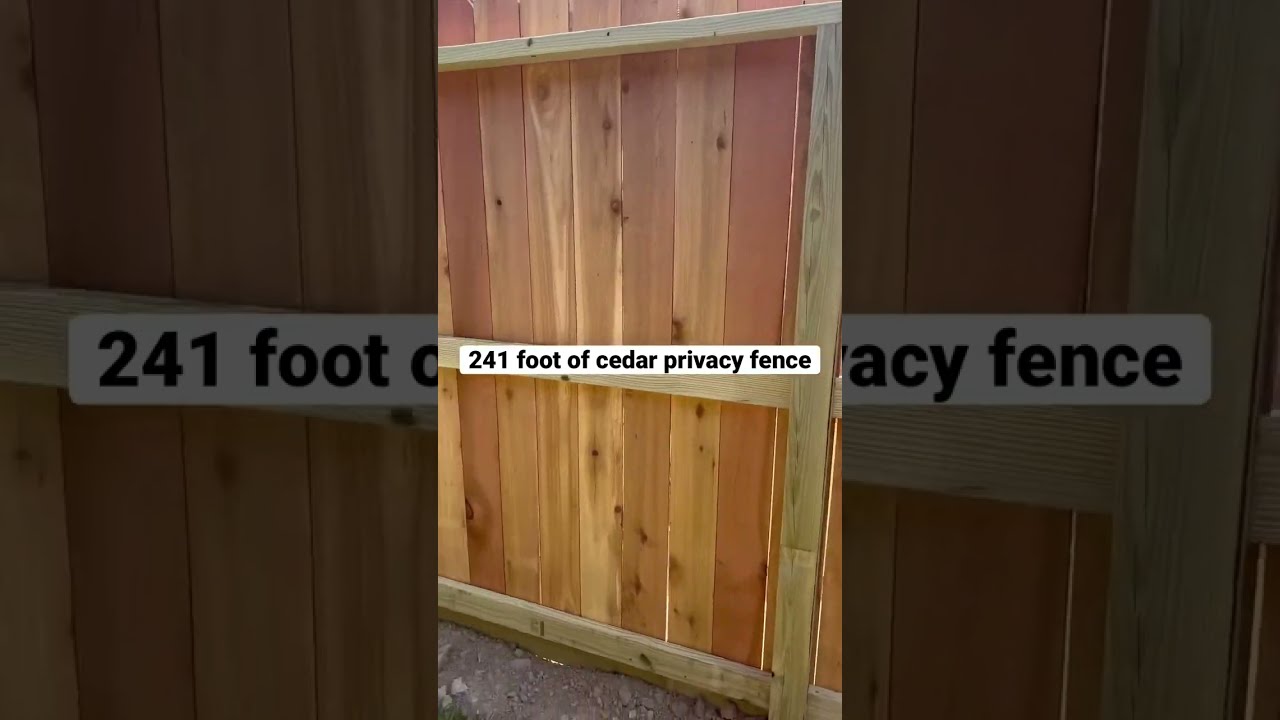
Common Post Mistakes That Cause Trouble
- Not digging deep enough. Skipping gravel or drainage. Not checking alignment carefully.
Spending extra time here saves time later. That is not theory.
Rails and Boards: How the Fence Takes Shape
After posts are set, the rest feels easier. Rails tie the fence together. Panels or pickets create the appearance.
Here is what tends to happen. Minor inconsistencies add up visually. A slight slope multiplies across sections.
A realistic approach is to work with the slope instead of forcing straight lines. Perfectly straight fences can look wrong on uneven yards.
Choosing Wood: How It Affects Installation
Different woods behave differently. Cedar are relatively light. Treated pine https://fence-installation-guide.timeforchangecounselling.com/wire-grid-boundary-installation has more weight. That affects handling.
Moisture content also matters. New boards may shrink after installation. Spacing choice matters later.
Wood Choices and What to Expect
- Cedar is easy to work with but costs more. Treated pine is affordable but needs protection. Redwood has a premium look but availability varies.
Finishing Touches: What Often Gets Missed
After the fence is up, many homeowners think the job is done. That is only partly true.
Sealing or staining is often postponed. Weather do not wait. The sooner wood is protected, the better it holds up.
One small aside. Always recheck gates after a short time. Wood shifts. Hinges need tweaks.
Wrapping It Up
Wood fence installation is not about perfectionism. It comes down to solid preparation, careful post setting, and respecting the site.
Wood remains popular because it adapts well. It forgives small mistakes. But it also reflects shortcuts when they are taken.
If you are planning installation, walk the yard, notice soil and grade, and plan from there. That mindset makes installation smoother from beginning to end.